Siemens ties to Australian miner for rare-earths security
Siemens is to establish a joint venture with Australian mining firm Lynas – controller of one of the planet’s key sources of rare-earth metals.
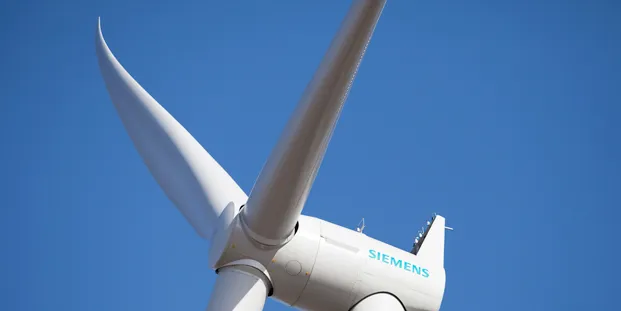
The deal comes as manufacturers of wind turbines using direct-drive permanent-magnet generators (PMGs) scramble to lock-down supplies of the rare-earth metal neodymium needed for the machines.
Lynas owns the mining rights at Western Australia’s Mount Weld, which holds one of the world’s richest deposits of rare-earth metals.
It is also building a controversial rare-earths processing plant in Malaysia, which will be the world’s largest such facility and the first opened outside China in nearly three decades.
PMGs are gaining ground within the wind sector, with adherents claiming they greatly improve performance over the long-dominant double-fed induction generators – especially under partial load, the most common operational state for turbines.
But committing a product range to PMGs pins a manufacturer's fortunes to the opaque market for neodymium.
This is in hot demand for a growing range of industrial applications, from hybrid cars such as the Toyota Prius to iPads and ‘smart bombs’.
China's control of a huge share of the world's rare-earth supplies has also raised fears over future availability levels.
Earlier this week Japanese bank Mitsubishi UFJ Financial Group announced it had purchased a 9.99% stake in Lynas, highlighting the reliance of electronics manufacturers on neodymium.
Lynas claims its $230m Malaysian plant will be completed “later this year” but full production is unlikely to commence before late 2012.
The factory remains the cause of protests by residents of the eastern state of Pahang due to radiation fears.
While rare-earths are not themselves radioactive, they are normally found mixed with the radioactive element thorium.
(Copyright)